
Trust & estate litigation · San Jose & the Bay Area
We handle trust and will disputes for families in San Jose and the Bay Area.You’re the trustee. Now you’re the one being accused.
A sibling changed the trust. The trustee won’t show the accounting. Someone got to Dad before he died. We represent beneficiaries who were cut out and trustees who are being accused. Deadlines can be as short as 120 days – check yours before it runs.A beneficiary demanded an accounting. A sibling filed to remove you. Someone is calling it elder abuse. We also represent beneficiaries, so we know what is coming. The 120-day clock starts when you serve the notice – serve it right. Reading this as a beneficiary? Start here.Are you the trustee? Start here.

 Super Lawyers® Rising Stars 2020–2026
 Best Lawyers: Ones to Watch® in America 2024–2027
 Vice Chair, ABA AI & Robotics National Institute
 Member, Honorable William A. Ingram American Inn of Court
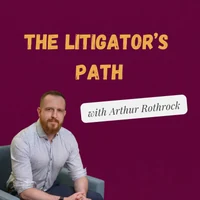 Host, The Litigator's Path podcast
Am I too late?Have you served the Notification by Trustee?
Did a letter called “Notification by Trustee” arrive?
From the day it was mailed, you have 120 days to contest the trust. If you ask for a copy of the trust and it is delivered inside those 120 days, you get 60 days from that delivery if that is later.
What counts as notice?
A written notice from the trustee saying the trust has become irrevocable, giving the trustee’s name and address, and warning that you have 120 days to contest it (Probate Code § 16061.7). It usually arrives by mail, with or without a copy of the trust.
Read about the 120-day ruleTrust contest · Probate Code § 16061.8
Has the will been filed with the court?
Before a judge admits the will, you can object at or before the hearing. After the order admitting it, you have 120 days to ask the court to revoke it.
Will contest · Probate Code §§ 8250, 8270
Did the person die less than a year ago?
Money they owed you, property they kept, or a promise to leave you something: those claims must be filed within one year of the death. This limit is strict, and courts enforce it to the day.
One year from death · Code of Civil Procedure §§ 366.2, 366.3
Talk to us anyway to confirm – there are exceptions.
Have you sent the notice yet?
You have 60 days from the death to mail it to every beneficiary and every heir, including a child the trust left out. Serve it properly and each of them has 120 days to contest the trust. Serve it wrong, or leave it unsent, and their window stays open.
What has to be in it?
- Who created the trust, and the date it was signed.
- Each trustee’s name, address, and telephone number.
- The address where the trust is being administered.
- Anything else the trust document says a notice must include.
- A statement that the recipient may ask for a true and complete copy of the trust.
- After a death, the 120-day warning in the statute’s exact words, in bold, in its own paragraph.
Notification by Trustee · Probate Code § 16061.7
Has anyone asked for a copy of the trust?
Any beneficiary or heir who asks is entitled to one. If the copy is delivered inside the 120-day window, that person’s contest deadline becomes 60 days from the delivery when that is later. Send the copy with the notice and only the 120-day clock is left to run.
Copy of the trust · Probate Code §§ 16061.5, 16061.8
Has a beneficiary asked for an accounting?
You owe every current beneficiary a written account at least once a year. One that fairly discloses a problem starts a three-year clock on claims about it. Without one, the clock runs from the day the beneficiary discovered the problem, or should have.
Accountings · Probate Code §§ 16062, 16460
Already been accused? The deadlines still matter.
General information, not legal advice. Deadlines depend on your facts and change – confirm yours with a lawyer.
Where to start
What's going on in your family?
Pick the sentence that sounds like yours. Each page explains what the law says, what you can do, and how fast you need to move.
“A sibling changed Mom’s trust.”
Late amendments, a new beneficiary, a trust that suddenly favors one child. We look at who was in the room and what the paper says.
What you can do
“The trustee won’t show us the accounting.”
Beneficiaries have a right to information. A trustee who stalls can be ordered by the court to account.
What you can do
“Dad signed a new will when he couldn’t remember our names.”
Capacity and undue influence are proven with medical records, witnesses, and timing.
What you can do
“A caregiver ended up with the house.”
California’s elder abuse law adds real teeth: double damages and attorney’s fees in the right case.
What you can do
“The executor is selling things off and paying themselves.”
Trustees and executors owe duties. Break them and the court can remove them and make them pay it back.
What you can do
“We were cut out, and the will doesn’t say why.”
A will can be challenged for forgery, fraud, undue influence, or lack of capacity – on a clock.
What you can do
“Assets that were supposed to be in the trust are gone.”
A Probate Code § 850 petition can bring property back into the trust or estate.
What you can do
“A second spouse is keeping everything.”
Blended-family disputes turn on what the trust says, what changed, and when.
What you can do
“I'm the trustee, and a beneficiary is coming after me.”
Most family trustees never asked for the job. We defend accounting demands, removal petitions, and surcharge claims, and a trustee acting in good faith can hire a lawyer at the trust’s expense.
What you can do
The team
The lawyers who will actually work your case.
A small firm on purpose. You'll talk to the people doing the work.




What to expect
Here's what happens when you reach out.
You request a consult online.
Tell us what happened, in writing or by voice, and upload what you have. We run a conflict check. We strive to respond within one business day.You tell us what has been demanded of you and send the trust, the notice you served, and your records. We run a conflict check. We strive to respond within one business day.
We check the clock and the documents.
The trust, the amendments, the notice letters, the medical records, the bank statements.
You get a straight answer.
Whether you have a case worth bringing, what it would take, and what it would cost. No pitch.
We move.
We file in court and keep the case moving. Mediation when it makes sense. Trial when it doesn’t.
Legion AI Litigator
AI, used responsibly at every level of your case.
Rothrock Legal carries the Legion AI Litigator seal. It stands for four commitments about how AI is used for the people this firm represents: to safeguard what you share, to keep a lawyer in charge of every decision, to bring the best technology available to the work, and to pass the savings on to you.
Your information is safeguarded.
Everything you share is protected by a lawyer’s duty of confidentiality and handled on systems built for law firms, under the same rules as everything else a lawyer holds.
A lawyer is in charge at every step.
AI never decides anything. A lawyer directs the research, shapes the strategy, signs every filing, and answers for it in court.
The best technology, on the hard parts.
Cutting-edge AI sharpens the research, the drafting, and the strategy behind your case, so the lawyers’ hours go to judgment and advocacy, not paperwork.Cutting-edge AI sharpens the research, the drafting, and the strategy behind your defense, so the lawyers’ hours go to judgment and advocacy, not paperwork.
The savings are yours.
The hours the technology saves are hours you are not billed for. More of your budget goes to the judgment and the advocacy that move your case.
What clients say
After the dust settles, this is what they tell us.
I had the pleasure of working with Arthur a few years back on a family estate matter and was impressed with my fellow Pennsylvanian's responsiveness, knowledge of the underlying subject matter and diligence that led to a very positive result. Arthur doesn't let moss grow on him when he's addressing your legal needs and you will be happy you engaged him!
 Darius
I wholeheartedly endorse Arthur. His keen mind, relentless determination, and ability to transition from a comforting ally to a fierce advocate make him an outstanding lawyer.
Choosing Arthur was the wisest choice I made for my legal issue. His astute analysis, calming nature, and courageous representation, paired with his dedication to keeping me updated and composed, make him an indispensable resource for anyone aiming to achieve the most favorable result.
Every case is different. Past results do not guarantee a similar outcome. A testimonial is not a guarantee, warranty, or prediction about your matter.
From the library
Answers to common questions.
Deadlines, trust contests, trustees who won’t account, elder financial abuse. Plain English, written by the lawyers who handle these cases.Serving the notice, answering an accounting demand, responding to a removal petition, paying your lawyer from the trust. Plain English, written by lawyers who defend trustees and represent beneficiaries.

DeadlinesAug 27, 202611 min read
How Long Do You Have to Contest a Trust or Will in California?
The 120-day trust deadline, the will deadlines, the one-year rule for claims against someone who died, and the clocks for trustees and elder abuse. What starts them, what stops them, and what to do this week.
Undue Influence & CapacityAug 11, 202610 min read
A Caregiver Married My Parent: What California Law Allows
A caregiver who married the person they cared for used to be nearly untouchable. The capacity to marry is the lowest bar in the law, and an annulment ends at death. Since 2020 California presumes that gifts to the caregiver spouse, and the spouse's share of the estate, are undue influence when they fall within six months of the wedding. What that means for your family, step by step.
For TrusteesMay 12, 202611 min read
California Trustee Duties Checklist: How to Stay Out of Court
Most family trustees who get sued did nothing dishonest. They skipped a step nobody told them about. Here is every duty California puts on a trustee, the statute behind it, the steps that satisfy it, and the mistake first-time trustees make most.
For TrusteesMar 25, 202511 min read
You're the Trustee and a Beneficiary Is Threatening to Sue
Most family trustees who get sued did nothing dishonest. They went quiet, mixed money, or paid a lawyer from the trust for a fight that was really their own. Here is what to do in the first week, what the court will look at, and who pays.
For TrusteesMay 12, 202611 min read
California Trustee Duties Checklist: How to Stay Out of Court
Most family trustees who get sued did nothing dishonest. They skipped a step nobody told them about. Here is every duty California puts on a trustee, the statute behind it, the steps that satisfy it, and the mistake first-time trustees make most.
For TrusteesJan 27, 202611 min read
How to Serve the Notification by Trustee (Probate Code 16061.7)
The notification by trustee is a one-page letter with five required items and one boldface warning. Mail it within 60 days of the death and every person served has 120 days to contest the trust. Get the warning wrong and the clock never starts.
Undue Influence & CapacityAug 11, 202610 min read
A Caregiver Married My Parent: What California Law Allows
A caregiver who married the person they cared for used to be nearly untouchable. The capacity to marry is the lowest bar in the law, and an annulment ends at death. Since 2020 California presumes that gifts to the caregiver spouse, and the spouse's share of the estate, are undue influence when they fall within six months of the wedding. What that means for your family, step by step.
Trustees & FiduciariesJul 15, 202511 min read
California Trustee Won't Give You an Accounting or the Trust?
After a parent dies you are owed the trustee's notice within 60 days, a full copy of the trust on request, and an accounting at least once a year. What each must contain, how to demand it, and what the San Jose probate court does when the trustee stalls.
Trustees & FiduciariesFeb 11, 202511 min read
How to Remove a Trustee in California: Breach of Fiduciary Duty
A trustee who self-deals, plays favorites, or stonewalls can be removed by the probate court and ordered to pay the trust back with interest. The four duties, the nine removal grounds, and the three-year clock on the money.
Questions people ask before they reach out.
What does it cost to contest a trust or will?
We give you a written fee estimate before any work starts. Most trust and estate cases are billed hourly, and the AI platform the firm runs on keeps the organizing and drafting hours down. Tell us about your situation and we will tell you what it would take.
Do I have a case?
Usually we can tell you after one conversation and a look at the documents. The three things that matter most: what changed, who benefited, and when you found out.
How long does a trust contest take?
Months to a couple of years depending on the court's calendar and whether the other side wants to settle. Many resolve at mediation.
Can this be resolved without a trial?
Often, yes. Most trust and estate disputes settle. We prepare every case as if it will be tried, which is usually what gets it settled.
Which courts hear these cases?
Santa Clara County Superior Court in San Jose for Santa Clara County families, and the San Mateo, Alameda, and San Francisco Superior Courts for the rest of the Bay Area. We meet by video anywhere in California.
Can the trust pay for my lawyer?
Often, if you are defending the trust or your administration of it in good faith. A trustee may hire a lawyer (Probate Code section 16247) and is repaid from the trust for expenses properly incurred in administering it (Probate Code section 15684). The trust does not pay for your side of a fight over who gets what, and fees already paid can be charged back to you if the court finds a breach. We tell you where that line runs before the first invoice goes to the trust.
A beneficiary demanded an accounting. How long do I have?
Sixty days is the number to work from. A beneficiary who asks in writing can go to court to compel an accounting once 60 days pass without one, if none was given in the six months before the request (Probate Code section 17200(b)(7)). A written request for information gets the same 60-day treatment (Probate Code sections 16061 and 17200(b)(7)), and beneficiaries entitled to distributions are owed an accounting at least once a year (Probate Code section 16062). Some trusts change these rules, so send us the trust and the request before you answer.
Service area
San Jose first. The whole Bay Area when the case calls for it.
We show up in person when it counts. We handle trust and estate cases in Santa Clara County Superior Court in San Jose and across the Bay Area, in San Mateo, Alameda, and San Francisco counties.
Families we serve come from
Start with a consult request.
The fastest way to reach us is a consult request. We read every one. Write it or record it, and upload what you have. We strive to respond within one business day.
Request a consult